
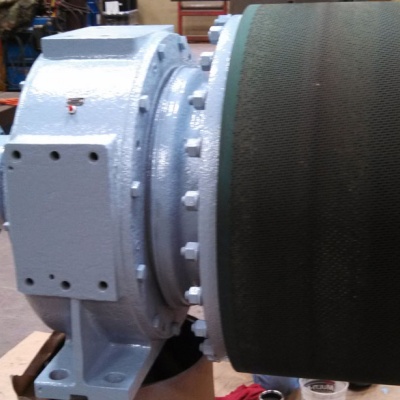
The vacuum system is a critical auxiliary system in modern paper machines, mainly serving the forming section and press section.
During paper production, the vacuum system plays an essential role in removing water, stabilizing sheet formation and improving dewatering efficiency. However, it is also one of the major energy consumers in a paper mill.
A typical paper machine vacuum system may require approximately 370 kW to 6,000 kW of installed power and can account for around 15%–18% of total paper machine electricity consumption.
Because of its high energy demand, vacuum system optimization provides significant opportunities for:
Reducing electricity consumption
Lowering operating costs
Improving machine efficiency
Enhancing dewatering performance
A properly designed and operated vacuum system is therefore essential for achieving efficient and stable paper production.
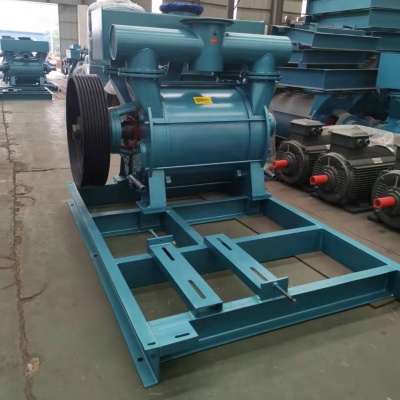
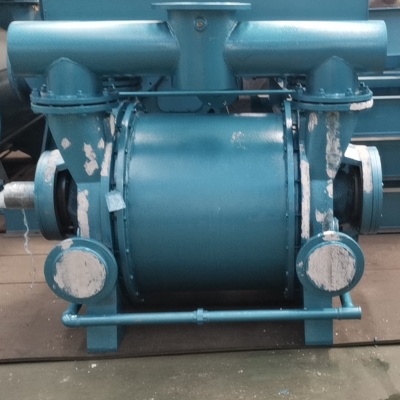
One of the most effective methods for improving vacuum system efficiency is replacing traditional liquid ring vacuum pumps with advanced turbo vacuum technologies.
Magnetic bearing turbo vacuum pumps use magnetic levitation bearing technology to eliminate mechanical friction losses from conventional shaft bearings.
According to practical applications, upgrading vacuum pump systems can provide significant benefits:
Reduced vacuum system power consumption
Lower specific energy consumption per ton of paper
Improved operating efficiency
Compared with traditional liquid ring pumps and fixed-speed turbo systems, variable-frequency turbo vacuum systems can achieve approximately 30%–70% energy savings under suitable operating conditions.
Vacuum demand changes according to:
Paper grade
Machine speed
Stock properties
Dewatering requirements
Operating vacuum pumps at fixed speed often results in unnecessary energy consumption.
By applying VFD technology, vacuum pump speed can be adjusted according to actual process requirements.
A modern control system using:
PLC controllers
Vacuum sensors
Frequency converters
can automatically regulate pump output and maintain the required vacuum level with minimum energy consumption.
Vacuum level optimization is not simply about reducing vacuum consumption.
The vacuum setting influences the entire paper machine system, including:
Drive power consumption
Press section performance
Dryer steam consumption
Dewatering efficiency
Therefore, the optimum vacuum level should be determined based on actual production requirements.
A comprehensive evaluation should consider the relationship between:
Vacuum level
Energy consumption
Dewatering performance
Different paper grades and operating conditions require different vacuum settings.
Excessive vacuum may cause:
Faster forming fabric wear
Press felt wear
Sheet rewetting problems
Higher drive loads
The goal should always be achieving the lowest vacuum level that still provides stable production performance.
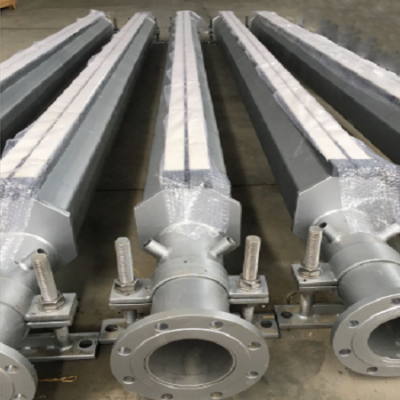
Seal water conditions have a direct influence on vacuum pump efficiency.
Higher seal water temperature reduces vacuum pump performance.
Improving cooling conditions and lowering seal water temperature can increase system efficiency and reduce the number of operating vacuum pumps required.
Seal water pressure should be maintained within the recommended range.
Excessive pressure:
Increases water consumption
Raises energy demand
Reduces system efficiency
Proper seal water management is a simple but effective way to improve vacuum system performance.
The forming section and press section have different vacuum requirements.
A common design mistake is using one vacuum pump system to serve multiple vacuum points with different operating conditions.
A properly divided vacuum system can:
Improve vacuum efficiency
Reduce unnecessary pumping capacity
Lower energy consumption
Independent control of different vacuum zones allows each section to operate closer to its actual requirements.
For large vacuum systems, operating water recycling requires additional investment.
However, reducing water consumption can significantly lower overall production costs.
With increasing global pressure on water resources, recycling operating water has become an important development direction for modern paper mills.
Benefits include:
Reduced fresh water consumption
Lower wastewater load
Improved environmental performance
Among different dewatering methods, mechanical press nip dewatering is one of the most energy-efficient approaches.
Compared with vacuum-based felt dewatering, which requires continuous airflow energy, mechanical pressing removes water through direct mechanical force.
Paper mills should focus on:
Increasing press nip dewatering efficiency
Optimizing vacuum extraction levels
Balancing mechanical pressing and vacuum-assisted drainage
The objective is not maximum vacuum, but the most economical overall dewatering performance.
Proper operation sequence is essential for system stability.
Recommended sequence:
Start forming section vacuum first.
Allow stock flow to stabilize.
Activate press section vacuum afterward.
All vacuum points should not be started simultaneously.
The shutdown sequence should follow the reverse order:
Stop press section vacuum.
Stop forming section vacuum.
This prevents unstable drainage conditions and protects sheet quality.
A complete vacuum system inspection should cover the entire dewatering process.
Important inspection points include:
Dewatering elements
Vacuum rolls
Vacuum suction boxes
Air-water separators
Vacuum control systems
Discharge pumps
Vacuum pumps
Seal water systems
Cooling systems
Air and water discharge systems
Operators should regularly monitor:
Vacuum curve changes
Valve positions
Water system operation
Tank levels
Cooling water pressure
Seal water pressure
Compressed air pressure
Early detection of abnormal conditions helps prevent production losses.

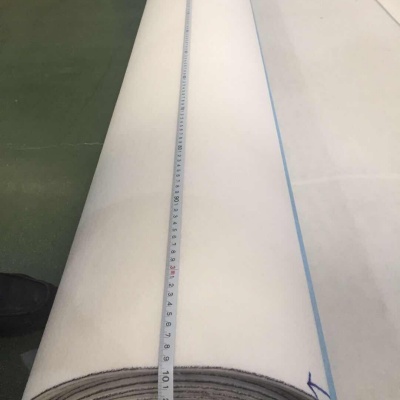
The operating vacuum range of paper machines is generally:
5–70 kPa
Vacuum settings should be adjusted according to:
Paper grade
Machine speed
Stock characteristics
Production requirements
Excessively high vacuum should be avoided.
When vacuum pressure decreases abnormally, operators should first verify instrument accuracy and then inspect the system condition.
Immediate action is required to prevent:
Water marks
Paper breaks
Production instability
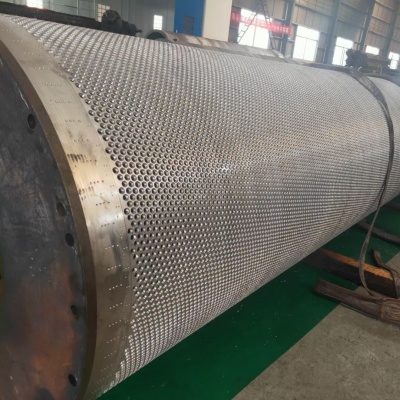
Modern vacuum rolls and suction rolls are equipped with internal spray cleaning systems.
Regular cleaning helps maintain:
Stable vacuum performance
Effective drainage
Longer component service life
Keeping filters clean improves airflow and vacuum performance.
Regular maintenance can reduce unnecessary load on vacuum equipment.
Proper lubrication of vacuum roll sealing strips helps reduce wear and extend service life.
Modern paper machine vacuum systems should utilize automation technology, including:
Automatic vacuum regulation
Paper machine interlocking control
Liquid level control
Temperature control
Group start-up functions
Automation allows the vacuum system to operate accurately according to production requirements while minimizing energy consumption.
Since 2008, Huatao Group has been dedicated to providing professional equipment and spare parts for the pulp and paper industry.
Our solutions include:
Dewatering Elements
Vacuum Rolls
Suction Couch Rolls
Vacuum Suction Boxes
Vacuum Pumps
Press Felts
Air-Water Separators
Sealing Products
Paper Machine Spare Parts
We provide customized technical solutions to help paper mills improve dewatering efficiency, reduce energy consumption and achieve stable production.
Website: www.papermakingtech.com
Email: market@huataogroup.com
WhatsApp / WeChat: +86 180 3376 3037
#PaperMachine #VacuumSystem #VacuumDewatering #PaperIndustry #PaperMill #SuctionRoll #VacuumPump #DewateringElements #VacuumBox
#PressSection #FormingSection #PressFelt #PaperMachinery #PaperMachineParts #EnergySaving #PaperTechnology #PulpAndPaper #PaperManufacturing
#IndustrialEquipment #HuataoGroup
can not be empty
can not be empty

HUATAO GROUP
ADD : No.298 Zhonghua North Street, Xinhua District, Shijiazhuang City, China.
TEL : +86 0311 80690567
EMAIL :market@huataogroup.com
Web: www.papermakingtech.com
Mobile: +86 18033763037 (  WhatsApp)